Fingerprinting for Study & Work Permits in Canada
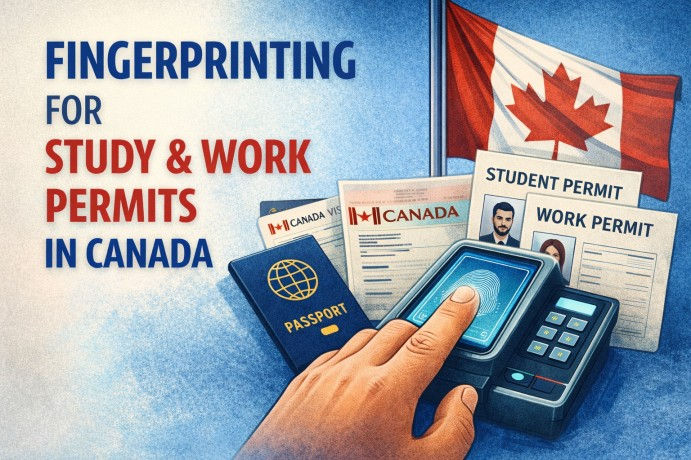
Applying to study or work in Canada involves several important steps, and biometric requirements are among the most critical. Fingerprinting helps Canadian authorities verify identity, enhance security, and ensure the integrity of immigration processes. For many applicants, understanding how fingerprinting works can reduce stress and prevent delays. Whether you are a student planning your education journey or a professional seeking career opportunities, knowing what to expect makes the process smoother. One of the most common requirements for international students is study permit fingerprinting in Canada, which is now a standard part of most applications.
Why Fingerprinting Is Required for Canadian Permits
The Government of Canada uses biometrics, including fingerprints and photographs, to confirm identity and prevent fraud. This system helps ensure that the person entering the country is the same person who applied for the permit. Fingerprinting also supports border security and simplifies future travel by linking your identity to a secure digital record.
For students and workers, biometric data allows Immigration, Refugees and Citizenship Canada (IRCC) to process applications more efficiently. It reduces the chances of misidentification and strengthens Canada’s immigration framework while maintaining fairness for genuine applicants.
Who Needs Fingerprinting for Study and Work Permits
Most foreign nationals applying for a study permit or work permit from outside Canada are required to provide fingerprints. Students applying to colleges, universities, or vocational institutions will often encounter this step early in the process. In many cases, study permit fingerprinting in Canada is required after submitting the online application and receiving a biometric instruction letter.
Work permit applicants, including temporary foreign workers and professionals under international agreements, are also commonly required to provide biometrics. However, exemptions may apply based on nationality, age, or recent biometric submissions. Applicants who provided biometrics within the last ten years may not need to repeat the process.
When Fingerprinting Is Requested During the Application
Fingerprinting is not done before submitting your application. Instead, IRCC issues a biometric instruction letter once the application is received. This letter confirms that you must visit an authorised biometric collection centre within a specific timeframe, usually 30 days.
For students, this timing is crucial. Delays in completing fingerprinting can slow down application processing and potentially affect intake deadlines. Planning appointments promptly helps avoid last-minute complications, especially during peak admission seasons.
Where Fingerprinting Can Be Done
Fingerprinting must be completed at an authorised location. Outside Canada, this is typically done at Visa Application Centres (VACs). Inside Canada, approved fingerprinting agencies and Service Canada locations are authorised to collect biometrics.
Professional agencies like VS Fingerprinting provide secure, IRCC-compliant fingerprinting services. These centres follow strict guidelines to ensure fingerprints are captured accurately and transmitted securely. Choosing a reliable provider reduces the risk of errors that could lead to processing delays.
The Fingerprinting Process Explained
The fingerprinting process is straightforward and usually takes only a short time. Applicants must bring valid identification, such as a passport, and the biometric instruction letter. Fingerprints are captured electronically using live-scan technology, which is quick and hygienic.
During study permit fingerprinting in Canada, staff will guide applicants through the process, ensuring that prints meet IRCC quality standards. A digital photograph may also be taken. Once completed, the biometric data is securely sent to the relevant authorities, and applicants receive confirmation of submission.
Common Mistakes to Avoid
One common mistake is waiting too long to book an appointment. Delays can impact overall processing timelines. Another issue is visiting an unauthorised centre, which can result in fingerprints being rejected. Always confirm that the location is approved by IRCC.
Applicants should also ensure that their personal details match exactly with their application. Even minor discrepancies in names or dates can cause complications. Using a professional service helps minimise such risks and ensures compliance with immigration requirements.
How Fingerprinting Impacts Processing Times
While fingerprinting itself does not guarantee faster approval, completing it promptly prevents unnecessary delays. Applications cannot move forward until biometrics are received and verified. During busy periods, such as student intake seasons, early completion can make a noticeable difference.
For students especially, meeting deadlines is essential. Completing biometric requirements early gives peace of mind while waiting for a final decision. Many applicants find that completing study permit fingerprinting in Canada quickly helps keep their plans on track.
Fingerprinting for Work Permits
Work permit fingerprinting follows a similar process. Professionals applying for temporary roles, open work permits, or employer-specific permits must also comply with biometric requirements. Accurate fingerprinting supports background checks and identity verification, which are essential for employment-based immigration pathways.
Employers may also appreciate applicants who complete requirements efficiently, as it reflects preparedness and attention to detail. Using a trusted fingerprinting provider ensures results are accepted without issues.
Choosing a Reliable Fingerprinting Provider
Selecting the right fingerprinting service matters. A professional provider offers trained staff, secure systems, and familiarity with IRCC procedures. VS Fingerprinting specialises in biometric services for immigration, employment, and international purposes, ensuring accuracy and confidentiality.
A reliable provider also helps answer questions, check documentation, and ensure that appointments run smoothly. This support can be especially helpful for first-time applicants navigating the immigration process.
Final Thoughts on Fingerprinting for Permits
Fingerprinting is a mandatory and manageable step for most study and work permit applicants. Understanding the process, acting promptly, and choosing a trusted provider can make the experience stress-free. Whether you are preparing for academic success or professional growth, meeting biometric requirements is a key milestone in your Canadian journey. For many applicants, completing study permit fingerprinting in Canada efficiently brings them one step closer to their goals.
If you need reliable and IRCC-compliant fingerprinting services, contact VS Fingerprinting today. Our experienced team ensures accurate, secure, and timely biometric submissions, helping you move forward with confidence in your study or work permit application.
Comments